
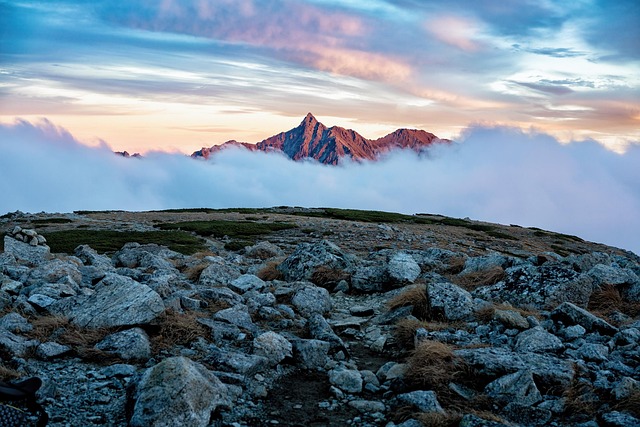
Everest Base Camp (EBC) is one of the most iconic treks in the world — but how much does it actually cost in 2025? Whether you’re planning on a budget trek, a standard guided trip, or a luxury option, understanding the cost breakdown is essential for realistic planning.
In this guide, we’ll walk you through all the major expenses — from permits and flights to food, accommodation, guide costs, and those often-forgotten hidden fees. We’ll also share insider tips to help you save money while maximizing your Himalayan experience.
Cost Breakdown of Everest Base Camp Trek 2025
Here’s a detailed breakdown of each major cost component, based on recent data:
1. Permits & Entry Fees
To trek in the Everest region, you must get a few permits:
- Sagarmatha National Park Entry Permit: ~US$ 30. (nepalhimalayastrekking.com)
- Khumbu Pasang Lhamu Rural Municipality Permit (Local Permit): ~US$ 20. (roystonhotel.com)
Total Permit Cost: ~US$ 50–60 depending on the source. (Peaceful Nepal Treks and Tours)
2. Transportation: Kathmandu → Lukla → Trek → Return
- Flight (Kathmandu ↔ Lukla): Around US$ 360–450 for a round trip. (roystonhotel.com)
- (Optional) Helicopter: Much more expensive; not common for standard treks. (abletonventures.com)
- Airport Transfers / Local Transport (in Kathmandu, to hotels): Additional but comparatively small ($25–50) depending on how you arrange. (Peaceful Nepal Treks and Tours)
3. Guide & Porter Fees
Having a guide and/or porter not only enhances safety but is increasingly required or strongly recommended:
- Guide: ~US$ 25–35 per day. (abletonventures.com)
- Porter: ~US$ 20–25 per day. (soleencounterstrek.com)
- Combination (porter + guide): Some agencies offer combo rates. (roystonhotel.com)
- Tipping: Customary. For example, some guides expect $50–150 total; porters ~$40–100 depending on group size and service. (nepalhimalayastrekking.com)
4. Accommodation (Teahouses / Lodges)
Teahouse-style accommodations are common along the EBC trek:
- Basic teahouses (lower altitudes): ~US$ 5–10 per night. (accesstheasia.com)
- Mid / higher-altitude lodges: ~US$ 10–30 per night depending on the location and amenities. (Himalayahub)
- Luxury teahouses (or special lodges): Over US$ 100/night for very high-end options. (accesstheasia.com)
5. Food & Drink
Food costs increase as altitude rises because of transportation logistics:
- Local meals (Dal Bhat / Nepali food): ~US$ 5–8 for Dal Bhat, higher up can go more. (accesstheasia.com)
- Western-style meals: ~US$ 8–15 depending on location. (accesstheasia.com)
- Hot drinks: ~US$ 2–5 for tea, coffee. (accesstheasia.com)
- Mineral water: ~US$ 2–4 per liter at high altitudes. (accesstheasia.com)
- Average Food Budget (per day): ~US$ 20–40 for a balanced mix; could be more if you pick premium options. (accesstheasia.com)
6. Gear & Equipment
If you don’t already have trekking gear, you’ll need to rent or buy certain items:
- Rental in Kathmandu (e.g., down jacket, sleeping bag, poles): ~US$ 1–5 per item/day depending on item. (accesstheasia.com)
- Purchase costs: For quality gear, $200–$500+ depending on what you need (boots, jacket, sleeping bag, etc.). (Trekking Guide Team Adventure)
7. Insurance
Highly recommended — especially for high-altitude trekking:
- Travel Insurance (with high-altitude coverage + emergency evacuation): ~US$ 100–200 (for a 2-week / 12–14 day trek is typical). (abletonventures.com)
- Helicopter Evacuation: If needed, this can be very expensive; some sources mention $5,500–7,500 for a rescue from high altitude. (nepalhimalayastrekking.com)
8. Miscellaneous / Hidden Costs
These are often overlooked, but can add up:
| Expense | Estimated Cost |
|---|---|
| Charging Devices (phone, camera) | ~US$ 2–5 / device / charge (accesstheasia.com) |
| Wi-Fi / Internet | ~US$ 3–10 / day (varies by teahouse) (Trekking Guide Team Adventure) |
| Hot Showers | ~US$ 3–5 per shower (depending on location) (Himalayan Hero) |
| Tips for Guide / Porter | ~$50–150 (guide) & ~$40–100 (porter) depending on group and quality (nepalhimalayastrekking.com) |
| Misc gear / extras | Water purification tablets, first-aid, batteries, etc. |
9. Total Estimated Cost: Budget vs Standard vs Luxury
Putting it all together, here are realistic cost estimates for a 12–14 day EBC trek in 2025, excluding international flights to Nepal:
| Trek Style | Estimated Cost (USD) |
|---|---|
| Budget / Independent | ~US$ 1,140 – 1,400 (or more, depending on choices) (Himalayan Hero) |
| Standard Guided Package | ~US$ 1,800 – 2,200 (guide, porter, permits, accommodation, food) (Himalayan Hero) |
| Luxury Package | ~US$ 2,700 – 4,000+ (private guide & porter, better lodges, luxury amenities) (Himalayan Hero) |
Hidden Tips to Save Money (and Avoid Surprises)
Here are some lesser-known or frequently overlooked tips that can help you reduce cost or make your trek more efficient:
- Book Your Lukla Flight Early
Domestic flight prices to Lukla can skyrocket in peak trekking seasons (spring and autumn). Booking months ahead can save big. (Himalayan Hero) - Share Guide & Porter Costs
Joining a small group helps split daily costs for guides and porters. Many agencies offer shared options. (Himalayan Hero) - Bring Your Own Water Purification System
Instead of buying bottled water at altitude (where it’s expensive), bring purification tablets or a filter. Saves on cost and reduces plastic waste. (nepalplanettreks.com) - Use Reusable Water Bottle
Combine with purification — helps cut daily water cost. - Negotiate / Clarify Teahouse Inclusions
Some teahouses require you to eat all meals there if you stay overnight. Confirm inclusions (food, shower, Wi-Fi) so you’re not surprised. (accesstheasia.com) - Budget for Electronics
Charging and Wi-Fi at teahouses can add up. Allocate some daily budget (or carry a solar bank). - Smart Insurance
Make sure your insurance covers high-altitude trekking and helicopter evacuation — this isn’t optional at EBC. (abletonventures.com) - Tipping Etiquette
Tipping guides and porters is appreciated. A well-tipped guide improves motivation; they’ve carried you through difficult terrain. - Use Local Agencies
Local Nepali trekking agencies often offer more competitive and transparent pricing than large international ones. - Add Buffer Days
Weather in Lukla is unpredictable. Adding 1–2 buffer days reduces risk of expensive rescheduling or missed flights.
Why Costs Might Change in 2025
- Fuel / Logistics: Costs of transporting goods to remote lodges are always rising, which influences food and accommodation.
- Permit Policy Adjustments: Permit costs are relatively stable now, but local policies might shift slightly.
- Inflation: Nepal’s cost of living and trekking infrastructure may become more expensive.
- High Season Demand: In peak months, prices for flights, teahouses, and even guides may surge.
Sample Budget Scenarios
Scenario A: Budget Trekker (Solo or with Minimal Support)
- Permits: ~US$ 50
- Lukla round-trip flight: ~US$ 380
- Accommodation + Food (basic teahouses + dal bhat): ~$350–450
- Guide (shared): ~$300 (if shared)
- Insurance: ~$120
- Misc / hidden: ~$100
Estimated Total: ~US$ 1,200 – 1,400
Scenario B: Standard Guided Trek (Comfort & Support)
- Permits: ~US$ 50
- Lukla Flight: ~US$ 400
- Guide + Porter: ~US$ 600–700
- Accommodation + Food: ~US$ 500–600
- Insurance: ~US$ 150
- Extras (Wi-Fi, tips, charging): ~US$ 120
Estimated Total: US$ 1,800 – 2,200
Scenario C: Luxury / Premium Trek
- Permits: ~US$ 50
- Lukla Flight: ~US$ 440 (or more, priority)
- Private Guide + Porter: ~$900+
- Accommodation (premium teahouses): ~$700+
- Food (higher-end menu): ~$600+
- Insurance: ~$200
- Extras: ~$200+
Estimated Total: US$ 2,700 – 4,000+
Final Thoughts
- Everest Base Camp trek cost in 2025 can vary significantly depending on how you trek — budget vs luxury, guided vs solo, group vs private.
- Planning in advance, being realistic about “hidden” costs, and choosing reputable local agencies can help you manage your budget effectively.
- Don’t compromise on safety: insurance, guide, and proper gear are not places to cut corners.
With the right planning, your Everest Base Camp trek can be a once-in-a-lifetime Himalayan adventure — without financial stress.