
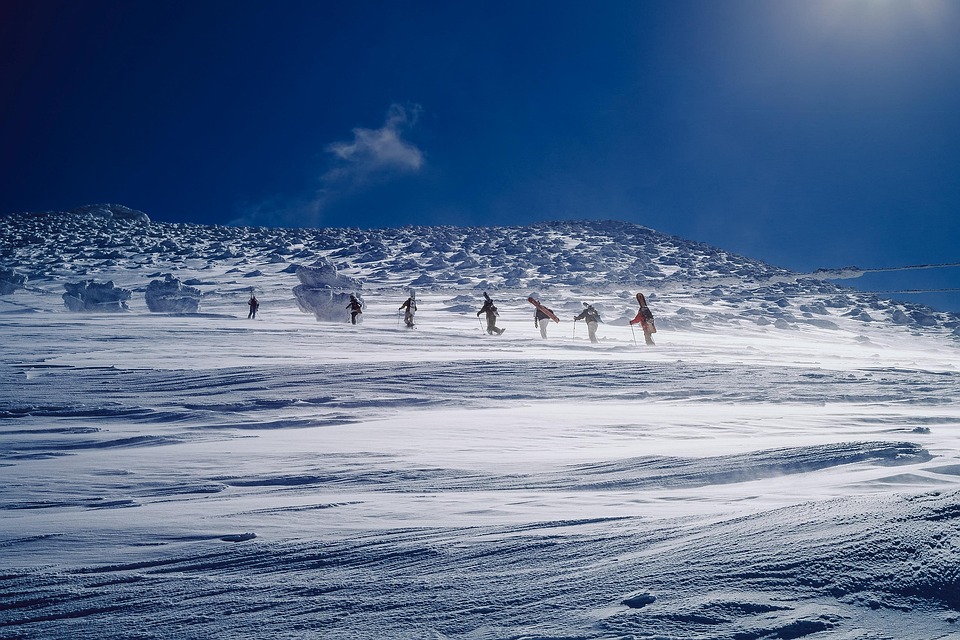
Nepal offers trekking routes for every type of adventurer. From the world-famous Everest Base Camp to hidden gems in Mustang or Langtang, selecting the right trek is essential to ensure a safe, enjoyable, and memorable experience. Factors such as duration, altitude, difficulty, scenery, and cultural exposure all play a critical role in your decision.
This guide helps you answer the most important question: Which trek in Nepal is right for me? Whether you’re a first-time trekker, a moderate hiker, or a high-altitude adventurer, these insights will help you plan your perfect Himalayan journey.
For those considering the Annapurna Base Camp Trek, detailed itineraries and packages are available here:
http://adventuretonepal.com/package/annapurna-base-camp
Step 1: Determine Your Trekking Experience Level
Beginner Trekkers
- Should focus on short, easy treks with moderate altitudes.
- Recommended treks: Ghorepani – Poon Hill, Helambu, Mardi Himal.
- These routes provide spectacular views without extreme physical demands.
Intermediate Trekkers
- Comfortable with medium-length treks (7–12 days) and altitudes up to 4,000–5,000 meters.
- Recommended treks: Annapurna Base Camp, Langtang Valley.
- These treks combine cultural experiences with moderate physical challenge.
- Annapurna Base Camp package link
Advanced Trekkers
- Experienced trekkers seeking longer treks or high passes.
- Recommended treks: Everest Base Camp, Manaslu Circuit, Kanchenjunga Base Camp.
- Be prepared for challenging terrains, high altitude, and remote regions.
Step 2: Decide on Trek Duration
The amount of time you can spend on a trek is a major factor:
| Duration | Recommended Treks |
|---|---|
| 3–5 days | Ghorepani Poon Hill, Helambu |
| 7–10 days | Annapurna Base Camp, Langtang Valley |
| 12–14 days | Everest Base Camp, Mardi Himal |
| 14–26 days | Manaslu Circuit, Kanchenjunga |
Short treks are ideal for travelers with limited time, while longer treks allow deeper immersion in the Himalayas.
Step 3: Consider Altitude & Acclimatization
High-altitude trekking requires careful planning.
- Under 3,000 m: Safe for most trekkers.
- 3,000–5,000 m: Moderate risk of altitude sickness; adequate acclimatization needed.
- Above 5,000 m: High-altitude trekking; requires prior experience and acclimatization days.
For example, Annapurna Base Camp reaches 4,130 m, which is manageable for most intermediate trekkers.
Step 4: Choose Your Preferred Scenery and Culture
Different regions in Nepal offer unique experiences:
- Everest region: Majestic peaks, Sherpa culture, Buddhist monasteries.
- Annapurna region: Green foothills, terraced fields, traditional Gurung and Magar villages. Package link
- Langtang region: Alpine meadows, rhododendron forests, Tamang villages, easily accessible from Kathmandu.
- Upper Mustang: Desert landscapes, ancient Tibetan-style villages, walled city of Lo Manthang.
Select a trek that aligns with your preference for mountains, cultural immersion, or solitude.
Step 5: Assess Fitness Level
Physical fitness directly affects your trekking experience.
- Low fitness: Stick to easy treks at low altitude.
- Moderate fitness: Can handle medium-distance treks with moderate elevation gain.
- High fitness: Capable of tackling high passes, long-distance treks, and remote regions.
Prepare with light cardio, hiking practice, and strength training to improve stamina.
Step 6: Consider Weather & Season
The best time to trek in Nepal is spring (March–May) and autumn (September–November) when weather is stable, skies are clear, and temperatures are moderate.
- Spring: Blooming rhododendrons, warmer temperatures.
- Autumn: Clear skies, vibrant landscapes, ideal for high-altitude photography.
Step 7: Evaluate Accessibility and Logistics
Some treks are easier to access than others:
- Easy access from Pokhara: Annapurna Base Camp, Ghorepani–Poon Hill, Mardi Himal
- Close to Kathmandu: Langtang Valley, Helambu
- Remote areas: Manaslu, Upper Mustang, Kanchenjunga
Choose a trek that fits your travel schedule and logistical comfort level.
Step 8: Plan for Permits and Regulations
Many trekking regions in Nepal require trekking permits.
- Annapurna region: ACAP & TIMS permit (Annapurna Conservation Area)
- Manaslu, Upper Mustang: Restricted-area permits required
Proper planning ensures a smooth and safe trek.
Adventure Victory Team can help you select the perfect trek based on your experience, fitness, preferred region, and time availability. Contact us today to plan a customized Himalayan journey!
Whatsapp: +977 9851115281
Email: [email protected]
Visit: http://adventuretonepal.com