
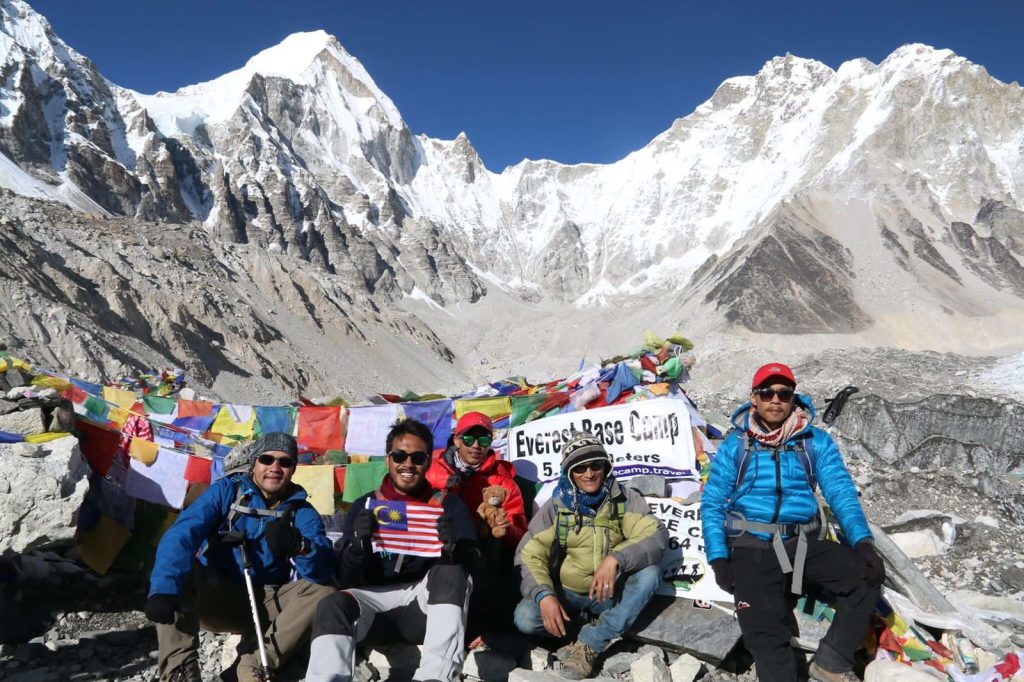
Nepal’s trekking routes travel through forests, heritage villages, rivers, glaciers, and national parks. These landscapes are delicate, sacred, and deeply connected to local communities. As trekking popularity increases, sustainability matters more than ever. Eco-friendly trekking in Nepal is not just government policy — it is a cultural responsibility shared by guides, locals, and trekkers.
Whether you are hiking to Everest, Langtang, or Annapurna Base Camp (explore here: http://adventuretonepal.com/package/annapurna-base-camp), sustainable behavior ensures that future generations can enjoy these trails as you do.
Here is how Nepal keeps its trekking routes clean — and how you can contribute.
1. “Leave No Trace” Is a Mountain Rule
In Nepal, every seasoned trekker learns one phrase:
Leave the mountains as you found them.
This includes:
- Carrying personal waste until disposal points
- Never littering on trails or around lodges
- Avoiding plastic dumping
The principle protects fragile environments and waterways.
2. Carry Refillable Bottles Instead of Buying Plastic
Plastic bottles accumulate rapidly in remote regions. Most treks, including Annapurna Base Camp, offer boiled or filtered water refill services. Refillable bottles reduce waste and support eco-friendly trekking culture.
3. Community-Run Waste Management
Many Himalayan villages run their own waste systems. Lodge owners and locals gather, burn, bury, or recycle waste in designated areas. Supporting tea houses instead of camping helps fund these efforts.
4. Respect National Park Rules
Treks in Nepal pass through protected areas such as conservation zones and wildlife habitats. Rules include:
- Staying on marked trails
- Not disturbing animals
- Avoiding plant damage
- No open fires in forests
These guidelines preserve biodiversity and prevent natural degradation.
5. Hiring Local Guides Supports Sustainability
Choosing licensed Nepali trekking guides helps ensure trails remain clean. Guides teach proper trekking ethics, manage waste protocols, and collaborate in village conservation.
If you want responsible trekking with local experts, consider Adventure Victory’s Annapurna Base Camp program:
http://adventuretonepal.com/package/annapurna-base-camp
6. Use Tea Houses Instead of Fuel-Intensive Camps
Tea house trekking reduces deforestation, water pollution, and fuel consumption. Lodges already use community kitchens and shared heating, making trekking environmentally efficient.
7. Follow Local Cultural Respect Practices
Sustainability is cultural in Nepal. Actions such as removing shoes indoors, modest dress, and respecting prayer flags reflect values of cleanliness and purity that extend to land stewardship.
8. Buy Local Instead of Imported Goods
Purchasing food and supplies in villages:
- Reduces transport emissions
- Supports mountain families
- Keeps tourism revenue within communities
Simple actions strengthen Nepal’s long-term trekking economy.
9. Keep Noise Low — Nature Deserves Peace
Eco-friendly trekking is not only physical cleanliness. It is respecting quiet environments, monasteries, wildlife habitats, and communities that value silence.
10. Educate Others — Sustainability Grows Through Awareness
Sharing good trekking practices with friends and fellow hikers creates lasting cultural change.
Why Eco-Friendly Trekking Makes Your Journey Better
Responsible trekking deepens your appreciation of Nepal’s mountains and the people who protect them. By trekking consciously — whether on Annapurna Base Camp routes or other Himalayan trails — you help maintain the natural and cultural purity Nepal is known for.
Learn more about sustainable trekking opportunities here:
http://adventuretonepal.com/package/annapurna-base-camp
Adventure Victory promotes responsible tourism and community-based trekking. Our guides are trained in eco-practice, mountain ethics, and cultural respect. Trek with us to explore Nepal responsibly.
Contact us now to get a free itinerary and quote!
Whatsapp: +977 9851115281
Email: [email protected]
Visit: http://adventuretonepal.com
Check our other blogs for more information >