
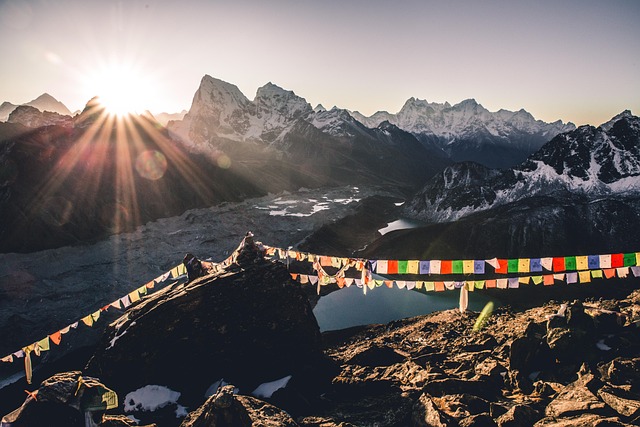
After nearly six months of lockdown due to the Covid-19 pandemic, the Government of Nepal has officially announced the resumption of travel and trekking in Nepal starting from 17 September. This is a major development for tourism operators, trekking agencies, and travelers eagerly waiting to return to the Himalayas.
Based on the recommendation of the Covid-19 Crisis Management Committee (CCMC), the Cabinet of Nepal decided to allow domestic flights, long-distance vehicles, hotels, and restaurants to operate from 17 September. Travel and trekking agencies that cater primarily to international tourists will be allowed to resume their operations from 17 October.
Read: Top 7 Must-Do Adventures in Nepal
Explore Trekking Packages for 2025
Travel Guidelines and Restrictions Still Apply
Kathmandu Valley began easing restrictions from 13 September, allowing public transport and private vehicles to operate on specific days. Domestic and international travel are slowly reopening. Limited international flights resumed on 1 September with a maximum of 800 passengers per day. Plans are underway to increase this number to 3,000 according to Tourism Minister Yogesh Bhattarai.
All foreign travelers must present a negative RT-PCR test report taken within 72 hours before departure. Domestic airlines are expected to benefit from this resumption, as many of their aircraft have been grounded since March.
Book a Certified Guide
Nepal Civil Aviation Authority
Impact on Nepal’s Tourism Economy
The hospitality industry briefly reopened on 21 July but was forced to shut again on 20 August due to rising Covid-19 cases. As of mid-September, Nepal reported more than 15,779 active cases and 371 deaths. However, more than 40,000 people have recovered, which is a positive sign.
Hotels and trekking companies have faced serious economic challenges. Many hotels had to lay off staff or reduce salaries. Nepal had launched the Visit Nepal 2020 campaign to attract two million tourists, but the program was canceled due to the pandemic.
Nepal’s tourism industry generated over 700 million dollars in 2018–19, contributing 8 percent to the GDP. The trekking and mountaineering industries directly employ over 500,000 people, with another two million benefiting indirectly.
Learn More: Nepal Tourism Board Statistics
Read: Annapurna Circuit Trek Complete Guide
Responsible Adventure Travel Resumes
Even though travel restrictions are being lifted, all tourism-related businesses must follow strict safety guidelines. This includes wearing masks, maintaining social distancing, and sanitizing facilities regularly. Long-distance buses are allowed to operate with only half of their normal capacity to maintain safety standards.
Trekking agencies are working to comply with the government’s safety protocols. Many are updating their services and booking systems to ensure safe travel for tourists in the post-pandemic era.
Covid-19 Travel Safety in Nepal
Contact Us for Customized Trips
Conclusion: Nepal Reopens With Optimism
The reopening of travel and trekking in Nepal is a major step toward reviving the tourism industry. While the challenges brought by the pandemic are far from over, Nepal remains committed to offering safe and unforgettable experiences to travelers. For adventurers, trekkers, and cultural explorers, Nepal is once again open, ready, and waiting.